

Marketing is one of the most misunderstood disciplines in early-stage startups. First-time founders arrive at it with a range of misconceptions, most of which cost them time and money. Some believe it is primarily about advertising: spend money to reach people and convert them. Others believe it is primarily about branding: create something beautiful that makes people feel good about the company. Both views are expensive and largely wrong for the early stage.
Lean marketing is something different. It is a systematic approach to generating awareness and converting it into customers, built on a precise understanding of who your customer is and what they need to see before they trust you enough to buy. It requires more thinking than spending, which is why it tends to work better for resource-constrained founders than approaches that simply require larger budgets.
Start With Who, Not What
The most common marketing mistake is leading with the product rather than the customer. A founder who starts by asking how do I market my product has skipped the more important question: who specifically is my best customer, and where do they spend their time and attention?
The answer to the second question determines almost everything else. If your best customer is a VP of Operations at a fifty-person technology company, the right channels, the right tone, the right content, and the right timing are completely different from what would work if your best customer is an independent electrician or a general practice physician. Getting the who wrong means everything else is aimed at the wrong target.
The best early marketing is built on a customer description specific enough that you could pick that person out of a room. Not small businesses. Not marketing professionals. The specific type of person in the specific situation with the specific problem that your product addresses better than anything else available to them.
Content as a Long-Term Asset
For founders without a significant marketing budget, written content is the best investment available. An article that ranks for a search term your ideal customer uses does not stop working when you stop paying for it. A framework you have published that gets shared in relevant communities continues generating awareness long after you wrote it. A newsletter that delivers real value to a specific professional audience creates a direct line to potential customers that is not subject to algorithm changes or rising costs per click.
The catch is that content marketing requires a genuine point of view and genuine specificity. Generic content does not rank, does not get shared, and does not build trust. Content that takes a clear position on a question your customers care about, even a position that some readers will disagree with, does all three. The discomfort of having a real opinion in public is one of the most common things holding founders back from the content marketing that would actually help them.
Using Platforms to Build Marketing Infrastructure Quickly
Lean marketing for a first-time founder means doing more with less. That means using tools that let you build and operate marketing infrastructure without a marketing team. Landing pages, email sequences, content distribution, conversion tracking. Getting these working quickly without spending months or significant money is part of staying lean enough to survive long enough to find out what actually works.
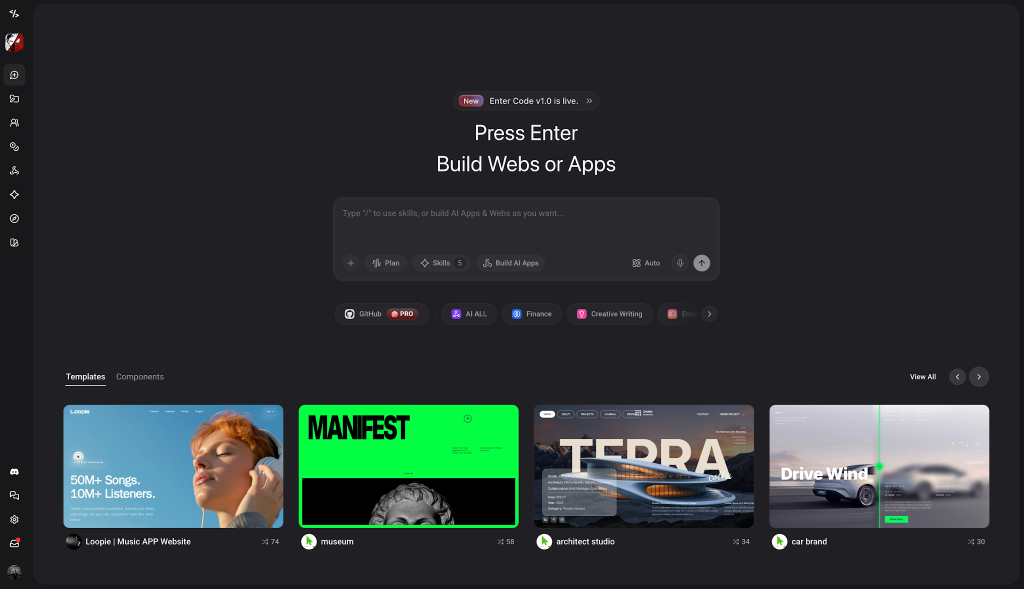
Platforms like Enter Pro help with the technical side of this infrastructure without requiring the resources that a traditional web development project would. That responsiveness matters in the early stages when your understanding of your customer is evolving quickly and your messaging needs to evolve with it.

Direct Outreach as a Learning Tool
One of the most underused channels for early-stage founders is direct, personalized outreach. Not mass cold email. Genuinely personalized messages to specific people who have a specific reason to care about what you are building, written by someone who has done enough research to make the connection clear.
This does not scale, and that is exactly the point. Scale is not what you need in the early stages. What you need is learning. And direct conversations with potential customers generate the kind of learning that no advertising campaign can replicate. You hear the language they use to describe their problem. You understand the objections that keep them from moving. You discover the buying criteria that matter most. All of that intelligence makes subsequent marketing sharper.
Connecting Marketing to Product Development
The most effective early-stage marketing is tightly integrated with the product development process. Customer pain points surfaced in marketing conversations should feed directly into product decisions. An AI app builder used to build new features should be informed by what the marketing conversations have revealed about what customers actually need. The connection between what customers say in a sales context and what gets built in the product is one of the most powerful feedback loops available to an early-stage company.

When marketing and product development are running separate conversations about separate priorities, both suffer. When they are running the same conversation from different angles, each makes the other more effective. Building that connection early, when the team is small enough that it is easy to maintain, is one of the best investments a founder can make in the marketing function.
Conclusion
The measurement question is one that early-stage founders often get wrong, and it is worth addressing directly. Marketing effectiveness in the early stages should be measured primarily on learning rather than on conversion. Which conversations revealed something you did not know before? Which pieces of content generated responses that contained real information about the audience? Which channels put you in front of the specific people who match your best customer profile, regardless of whether they converted immediately? These are the questions that improve marketing quality over time.
There is also a version of lean marketing that shows up in partnership strategy. The right early partnership is not a formal agreement with a large company. It is a relationship with someone who already has access to your target customers and who benefits from having something useful to offer them. This might be a complementary software tool, a professional association, a newsletter that covers your industry, or an influencer in your specific community. These relationships, built and maintained on genuine mutual benefit, often produce more consistent results than any paid channel at a fraction of the cost.
Written by
TrendingStage Editorial Team
Technology, Lifestyle, Entertainment & Trending News
View all articles by the team →